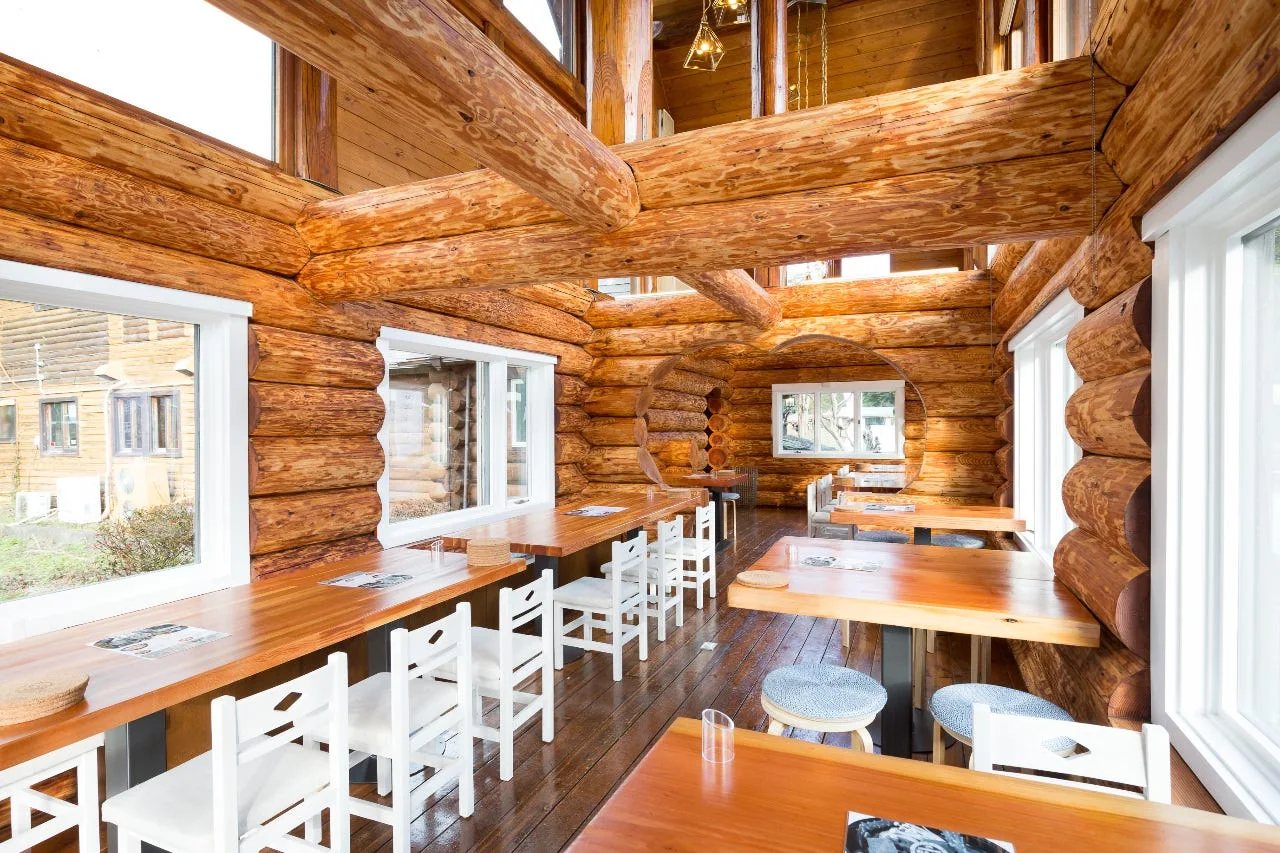
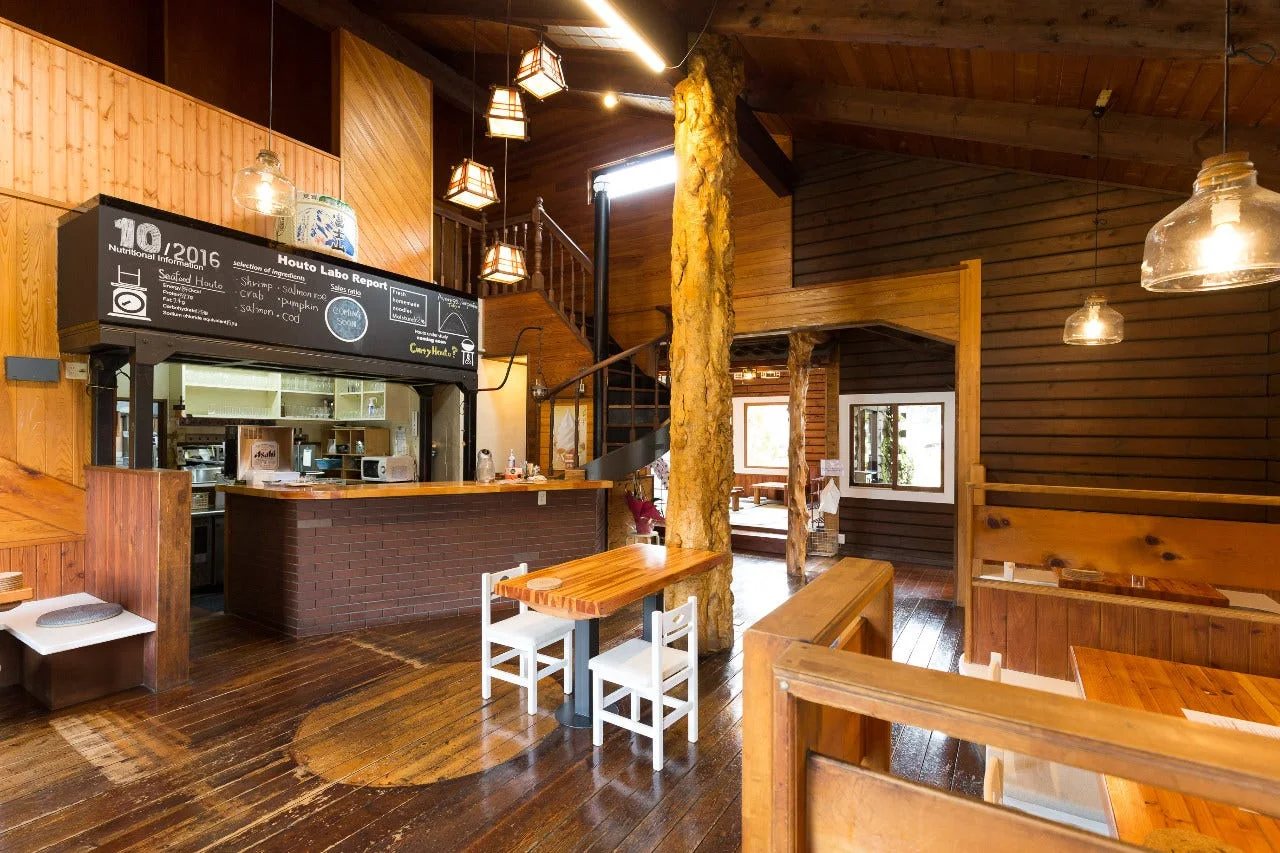
Seafood Houtou Specialty Shop Houtou Laboratory Kawaguchiko Main Store
New surprises in traditional Houtou. This is "Houtou Laboratory," a specialty store pursuing the potential of Yamanashi's famous Houtou. We offer a carefully crafted bowl featuring chewy homemade noodles and carefully selected seafood and vegetables. Please enjoy a heartwarming time for both body and soul in our open log house.

Business hours 11:00~18:00

1,000 to 2,000 yen per person

Payment methods
Credit cards accepted
(VISA, Master, JCB, AMEX, Diners)
Electronic money accepted
(Transit electronic money such as Suica)
QR code payments accepted
(PayPay, au PAY)

Together with your beloved dog

We have prepared clean indoor seats with air conditioning and heating so that customers and their dogs can dine comfortably. We also offer handmade houtou noodles for dogs without salt. We look forward to your visit with your beloved dog.

Menu

  • Vegetable Houtou 1,740 yen

  • Special Selected Vegetable Houtou 2,180 yen

  • Seafood Houtou 2,510 yen

  • Shanghai fresh houtou 3,280 yen

  • Special Selection Seafood Houtou 4,930 yen

  • Sukiyaki Houtou 3,940 yen

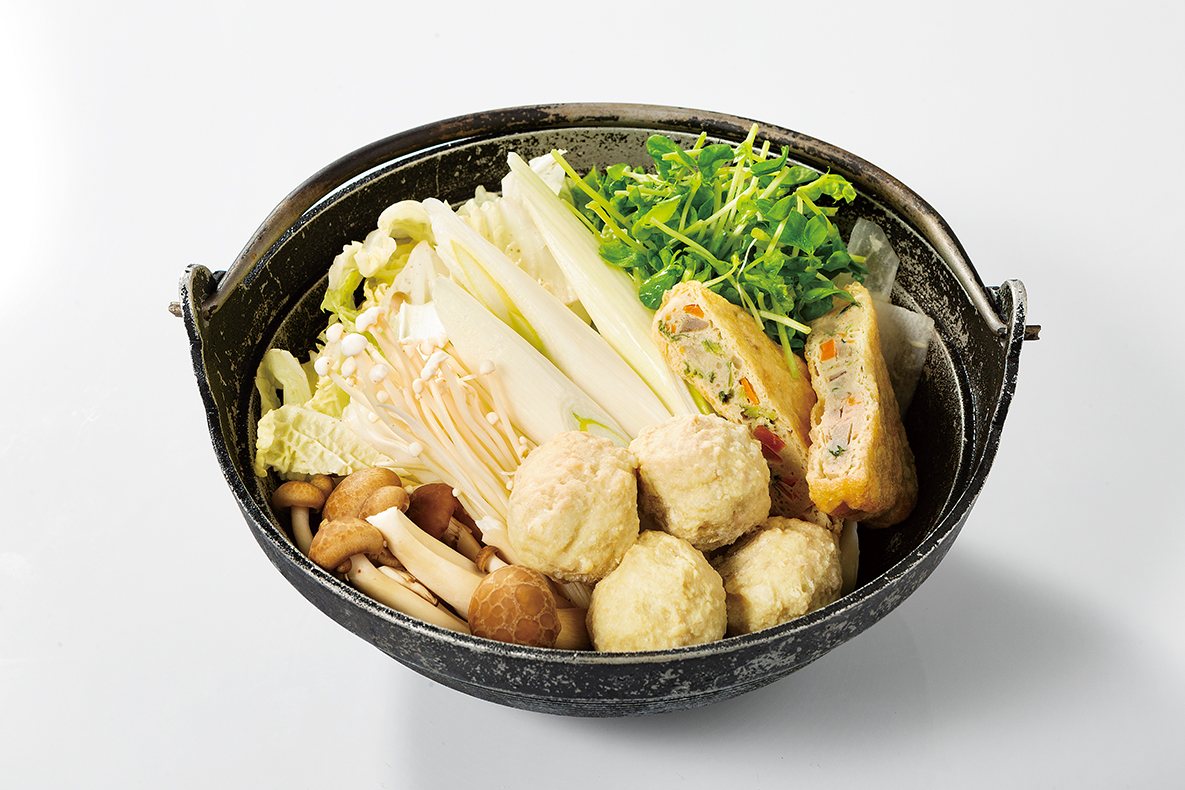
Hōtō with a gentle flavor packed with the umami of kelp broth and vegetables. Since no animal ingredients are used, vegetarians can enjoy it with peace of mind.
【Ingredients】Pumpkin, Chinese cabbage, mushrooms, daikon radish, carrot, burdock root, taro, fried tofu, long green onion, leafy greens

1.5 times the size of vegetable houtou!
【Ingredients】Pumpkin, Chinese cabbage, mushrooms, daikon radish, carrot, burdock root, taro, fried tofu, long green onion, leafy greens

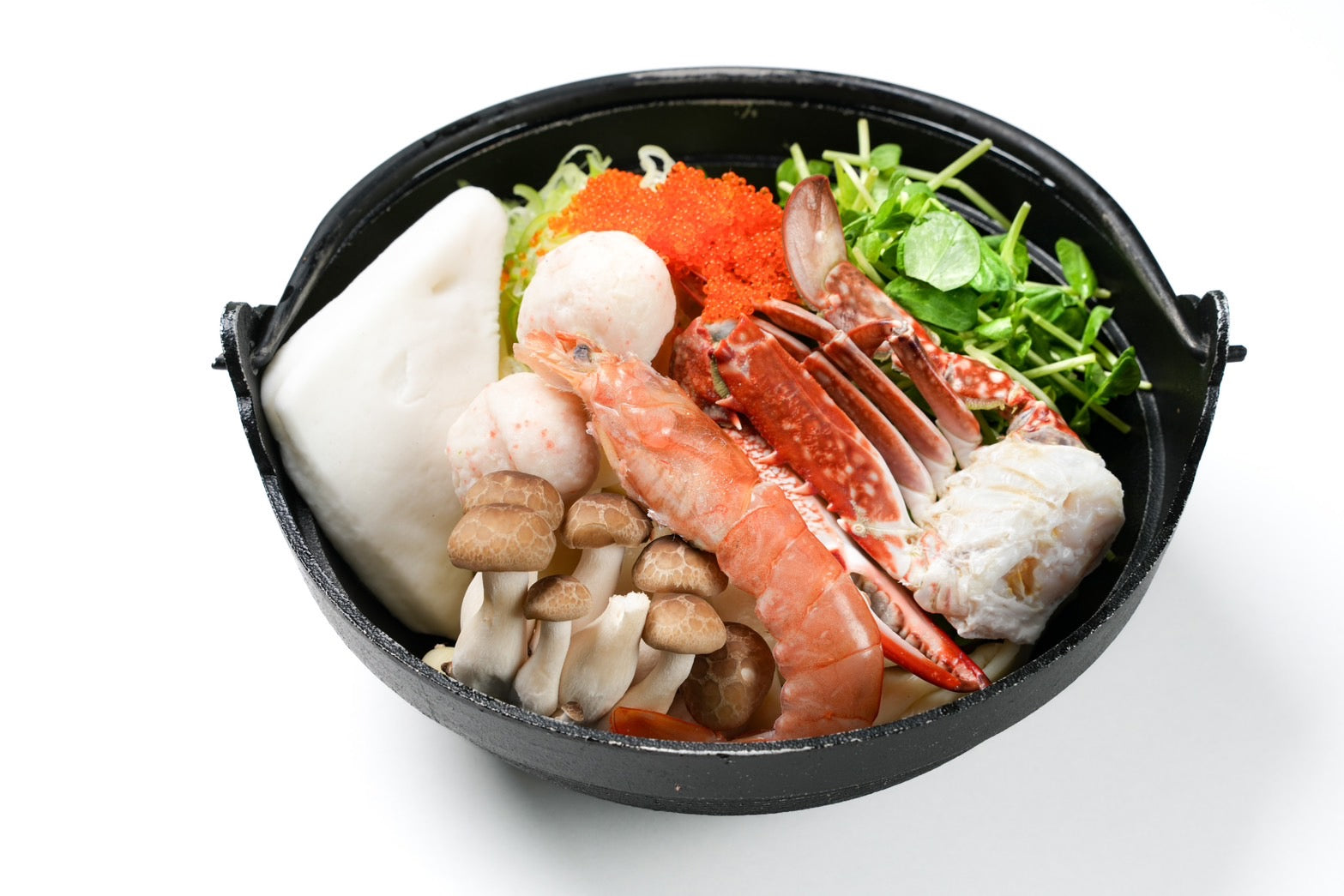
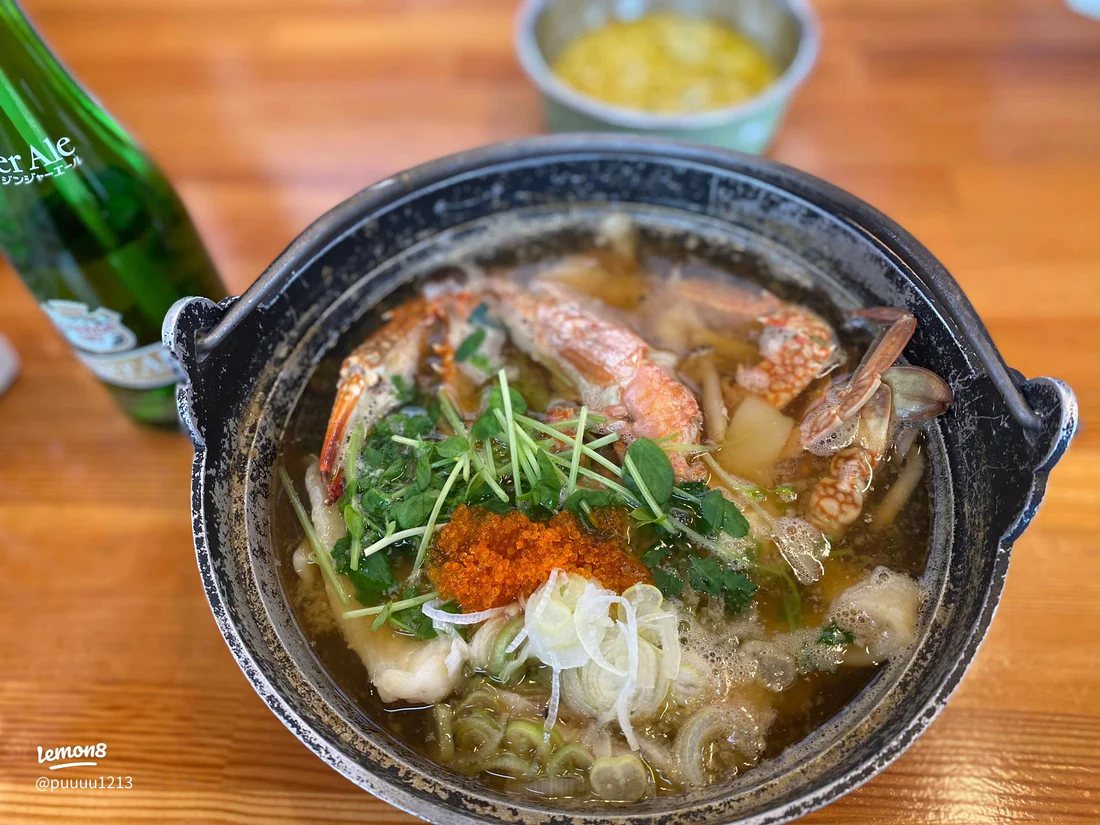
This is a new classic houtou, featuring a rich and flavorful broth made from carefully selected seafood, combined with a special miso sauce, and homemade noodles freshly made and simmered slowly.
[Ingredients] Blue crab (subject to seasonal changes), hanpen, fish balls, tobiko, shrimp, scallops, mushrooms, long green onions, greens

This is a new classic houtou, featuring a rich and flavorful broth made from carefully selected seafood, combined with a special miso sauce, and homemade noodles freshly made and simmered slowly.
[Ingredients] Snow crab (subject to seasonal changes), hanpen, tobiko, shrimp, scallops, mushrooms, long green onions, greens

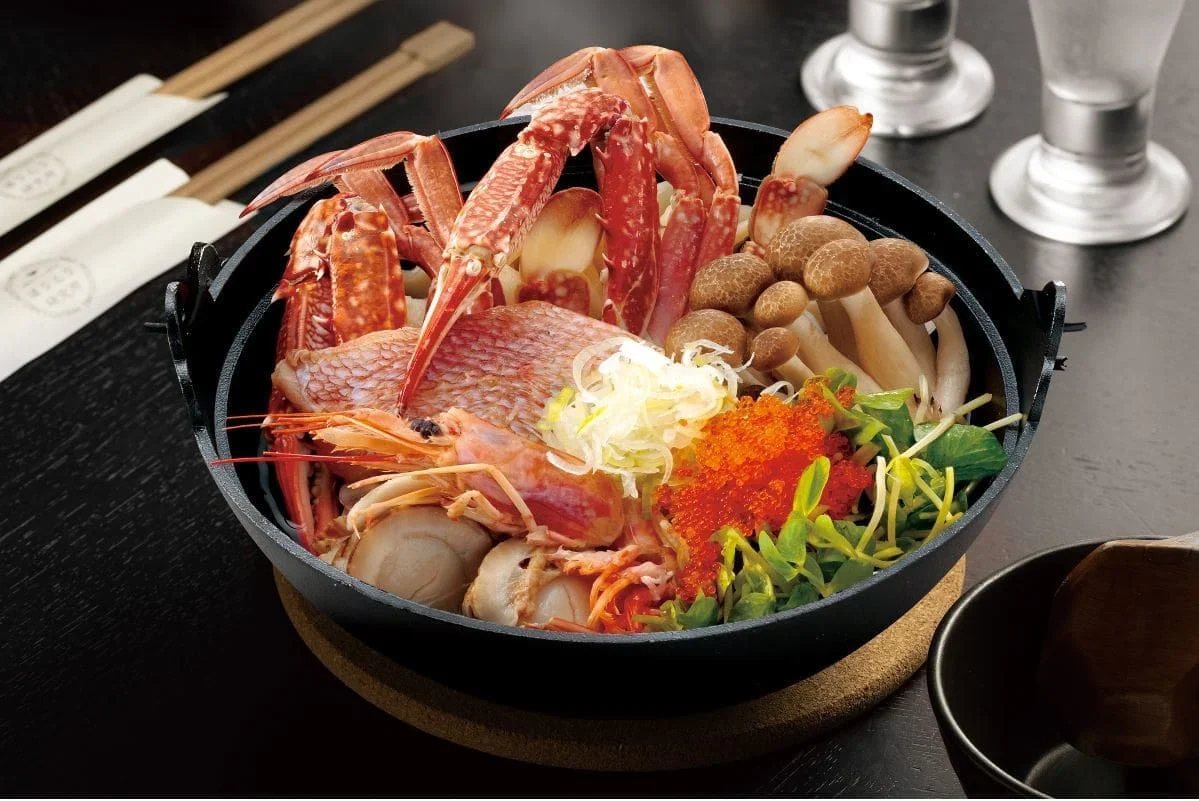
This is a very, very luxurious seafood houtou containing lobster, crab, and salmon roe. The chef's carefully selected fish, which changes with the season, is also exquisite. This houtou, which you can't eat anywhere else, is worth trying once when you come to Lake Kawaguchi.
[Ingredients] Lobster, blue crab, hanpen, scallops, Chinese cabbage, mushrooms, tobiko, long green onions, greens

Sukiyaki houtou made with domestic beef. Sukiyaki with houtou? You might think so, but actually, they go very well together. First, enjoy the meat and vegetables, and finish with houtou.
【Ingredients】
Beef, tofu, Chinese cabbage, long green onion, leafy greens, mushrooms, burdock root, carrot, daikon radish

Trivia about Hōtō

  • What is "Hōtō"?

    It is a dish where wheat flour noodles are simmered with vegetables, but the shapes vary. Generally, it is simmered with pumpkin and miso, but in some regions, instead of noodles, "suiton"-style dumplings are used, or it is seasoned with soy sauce and azuki beans. Also, there is the cold zaru houtou called "ozara," and adding meat or seafood, making houtou enjoyable in many diverse ways.

  • History of "Hōtō"

    There is no established theory about the origin of houtou, but its prototype can be seen in ruins from the Sengoku period. In the early modern period, sericulture spread in Yamanashi and mulberry fields increased, making wheat cultivation as a second crop common. Using wheat flour, economical houtou that could be bulked up with vegetables spread as a home-cooked dish. A travel diary from 1815 already mentions it as a "specialty" of Kai Province (present-day Yamanashi Prefecture).

  • The origin of "houtou"

    The origin of the name "houtou" is believed to be a transformation of the word "hakutaku" from the Nara period. It already appeared as "hautau" in dictionaries from the Heian period, and is considered to have a history older than "udon." It is undoubtedly influenced by cuisine brought from China, and the fact that wonton is pronounced "houtou" in the Shaanxi dialect of modern Chinese also supports this theory.

Houtou Laboratory with DOGS

Dog run & cafe with a view of the four seasons Opening October 2025!!

For more details ▶︎

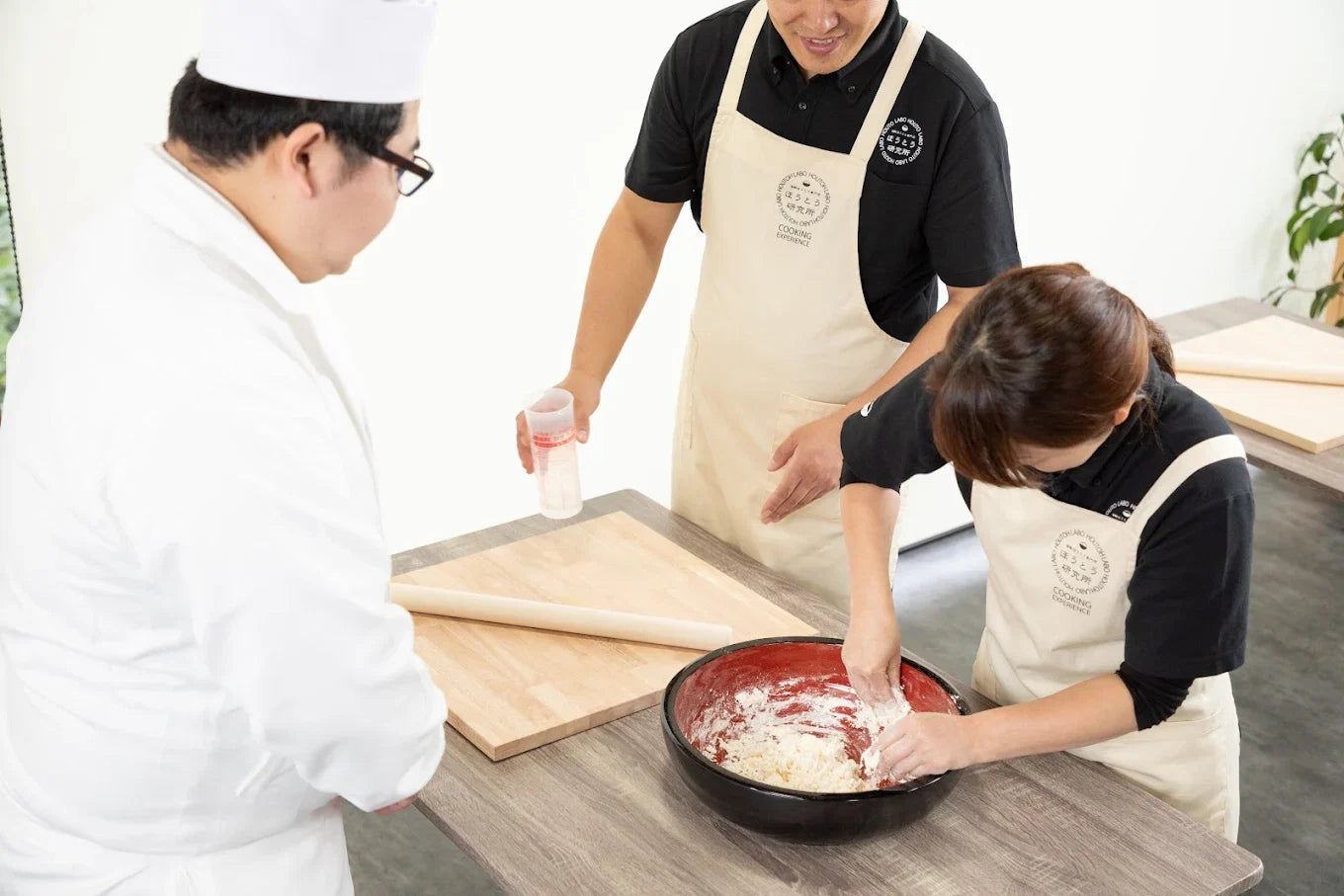
Houtou Handmade Noodle Experience

Why not actually make houtou, eat it, and experience the culture of Yamanashi's local cuisine "houtou" with all your senses?

For more details ▶︎

Facility Information

Total seats: 220 seats (with tatami seating and terrace seating)

Parking available: Free (Large buses allowed)